
Aligned Mindset · Aiea, HI
Movement Re-Education
for Adults Over 50.
This is not a traditional gym program. It is not a clinic.
Aligned Mindset is movement re-education. For people who want to understand how their body is actually working — and begin changing it.
Some sessions include strength work, resistance, or gym-based tools. These are not the center of the work. They are used deliberately, only when they support better alignment, steadier movement, and a body that can carry load without compensation.
This is not for those looking for a quick fix. It is for those willing to look honestly at how their body is functioning — and do the slow work of improving it.
Old wisdom. Better movement.
The Difference
Most People Have Been Taught to Do More.
This Work Begins by Looking More Honestly.
Modern life teaches the body to rush, brace, grip, and compensate. Over time, those patterns stop feeling unusual. They begin to feel normal.
Standing becomes heavier. Walking becomes less certain. Balance becomes less reliable. Effort increases, but support does not.
The usual response is to try harder. More exercise. More stretching. More force.
But more effort does not always address the right problem.
The deeper issue, in many cases, is that the body is not structuring itself well under load. It is generating effort in ways that are inefficient, excessive, or unsustainable. The work is going somewhere, but not where it needs to go.
Aligned Mindset takes a different approach. Movement re-education begins by examining how the body is currently functioning — where it is compensating, where steadiness has been lost, and what can be restored.
The goal is not to impress the body. The goal is to help it function.
Who This Is For
You Do Not Need to Be Broken
to Know Something Is Off.
This work is for adults who want more reliable movement in daily life. Some arrive because they feel unsteady. Others arrive active, strong, and experienced — but aware that something is not quite working the way it should.
- Standing feels more effortful than it should
- Walking feels less organized or less confident
- Stairs or uneven ground create hesitation
- Balance feels less dependable
- You notice gripping, bracing, or tension that does not seem to help
- You exercise regularly, but still feel misaligned or unstable
- You want movement that carries into daily life — not just a workout
This work is especially relevant for adults navigating joint changes, bone density concerns, or recovery after surgery.
You do not need to arrive fragile. You only need to arrive willing to look honestly at what your body is doing.
Begin Here →Services
Movement Re-Education
for Daily Life.
Movement re-education for steadier balance, stronger transitions, and greater confidence in daily life.
Who I've Worked With
Attorneys, physicians, caregivers, teachers, bus drivers, construction workers, government employees, office workers, small business owners, travelers, and youth — among others.
They come in with different histories and different demands. What they share is often the same: pain that has become familiar, instability that has narrowed what feels possible, and a body they no longer fully trust. The work is the same regardless of background. Clearer support. Less strain. More confidence in daily life.
Private Stability
One-on-one movement re-education for adults who want to move better in the life they already have.
We work on the foundations: how the body meets the ground, organizes around load, finds its vertical line, and moves through transitions without bracing or rushing. The result is steadier standing, better balance, easier walking, stronger transitions, and improved functional strength — not as exercises to perform, but as qualities the body learns to carry into ordinary movement.
Sessions are private, unhurried, and built around what your body actually needs.
Book a Session →Japan Travel Readiness
Japan asks a great deal of the body — long walking days, uneven surfaces, stairs without railings, low seating, and unfamiliar terrain. Most people arrive unprepared, not because they are unfit, but because nothing in daily life has practiced these specific demands.
Japan Travel Readiness is a four-session series covering ground and terrain, load and transitions, stamina, and recovery — so the body can inhabit the trip rather than endure it.
Learn More →Newtown Fall Prevention
Practical movement re-education for adults who want to move through daily life with greater steadiness and less effort.
Most falls happen not from weakness but from a breakdown in the body's relationship with the ground. We work on how the body meets and reads the ground, how it organizes around load and transitions, and how it recovers when something unexpected happens. The goal is not caution. It is a body that is present, organized, and capable of meeting what daily life actually asks.
Sessions are available privately and through community programs.
Learn More →Presentations & Consulting
Educational presentations and consulting for community groups, organizations, and programs focused on balance, movement, aging, and fall prevention.
Presentations are grounded in both movement science and heritage-informed practice — accessible to general audiences and relevant to practitioners. Topics include the five principles of movement re-education, the relationship between attention and stability, and practical approaches to fall prevention that go beyond conventional exercise.
Available for community organizations, senior programs, healthcare settings, and professional groups.
Inquire →Outcomes
Real Change Is Often Quieter
Than People Expect.
- Steadier standing
- Easier, more fluid walking
- More reliable balance
- Greater confidence on stairs and uneven ground
- More trust in the body
Client Voices
"I feel steadier walking, and I no longer hesitate on stairs. The fear I used to carry is gone."
Linda, 68
"My confidence walking has improved more than I expected. I feel grounded in a way I haven't in years."
David, 70
"I came in thinking I just needed exercises. What I learned was how my body had been working against me — and how to change that."
James, 79
About
Some Teachers Arrive Through Credentials.
Darin Arrived Through Curiosity.
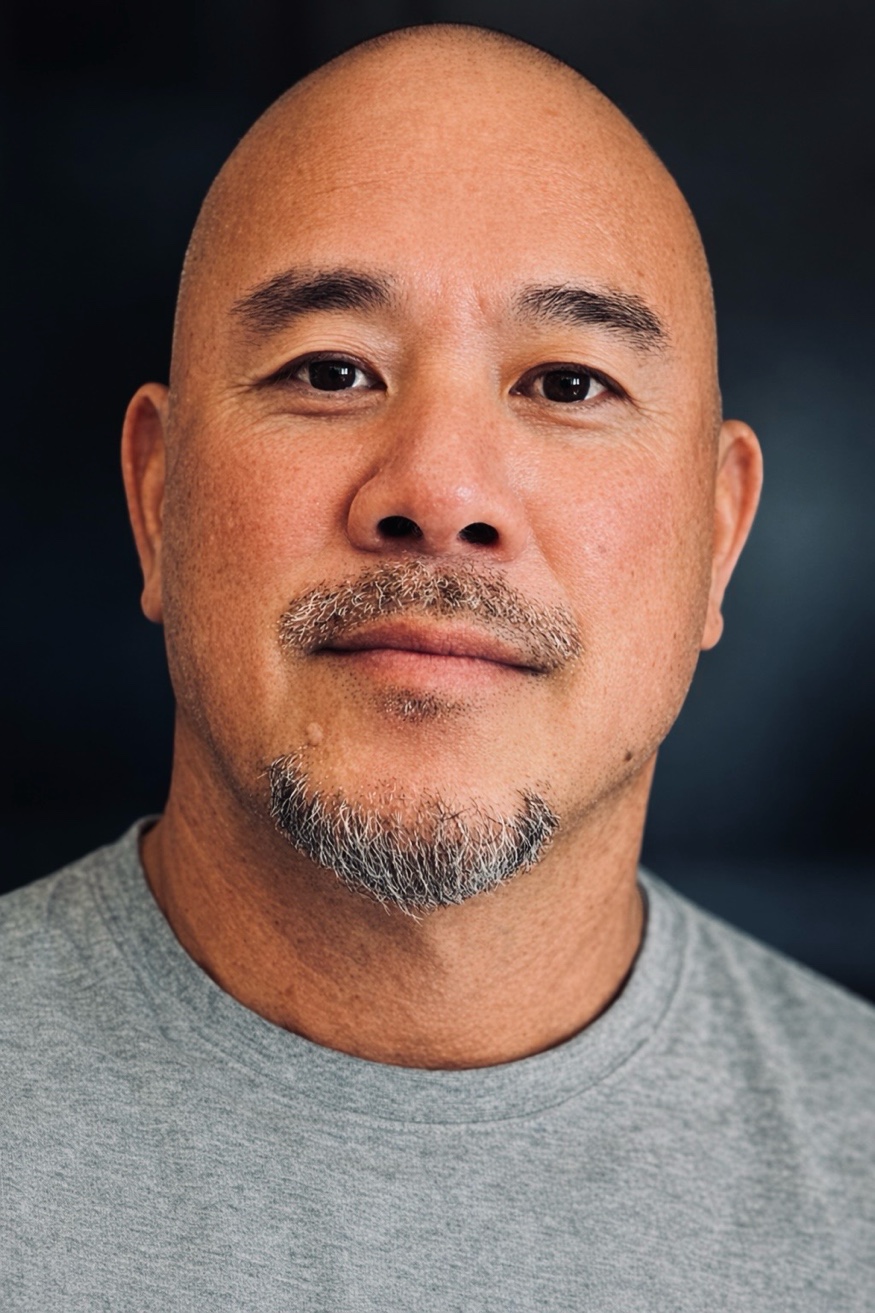
Darin H. Kawazoe is the founder of Aligned Mindset, a movement re-education practice focused on how the body organizes support in daily life.
His work is grounded in long-term observation: how people stand, walk, brace, compensate, adapt, and carry themselves through real environments over time. Rather than treating movement as performance, he looks at how the body responds to demand, where effort is being misdirected, and how better organization can be restored.
Aligned Mindset grew from a simple conviction: many people are working harder than necessary. The issue is often not laziness, weakness, or lack of effort. It is disorganization. When support is not organized well, the body compensates. Over time, those compensations become habit.
His approach brings together movement, aging, structure, and environment to help people move with more steadiness, less waste, and greater trust in their bodies.
He is also the author of Boots by the River: Standing, Movement, and the Architecture of Stability.
He works in Aiea, Hawaiʻi, where the ground is varied, the culture is layered, and the relationship between people and place is older than any fitness trend.
Philosophy
The Body Is Not Broken.
It Is Often Disorganized.
Not every problem is weakness. Not every solution is more strength.
How to stand. How to walk. How to move with less fear and less waste.
Listen
The Aloha Friday Podcast
Conversations on movement, mindset, culture, aging, and the deeper questions beneath balance and steadiness.
Recorded in Honolulu. Rooted in heritage. Grounded in daily life.

Upcoming Book
Boots by the River
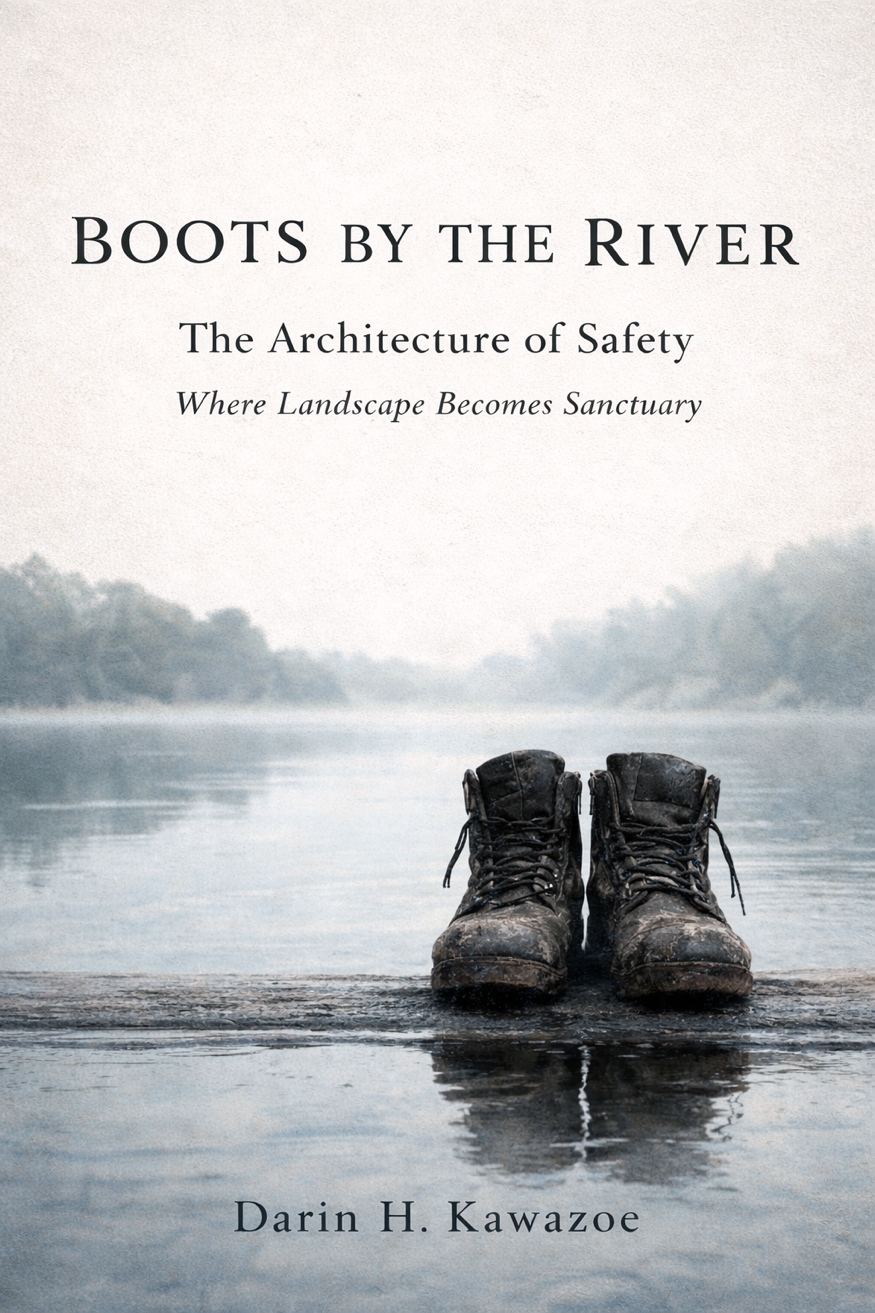
A book about support, structure, and what it means to find steadiness in the body and in life.
Not a manual for doing more. A reflection on how people lose support, how they recover it, and what it means to stand differently.
Begin
Start With an Honest Look.
The first session is not about proving anything. It is about seeing more clearly.
How are you standing? How are you walking? Where is effort going that should be resting? Where has steadiness been lost? What has your body been doing to cope, and what no longer needs to continue?
You leave with something concrete: a clearer picture of how your body is functioning and what can begin to change.
In this work, change does not begin with hype. It begins with honesty.
darin@alignedmindset.me | (808) 258-2679
This is not gym work. This is not a clinic. It is a movement re-education program.